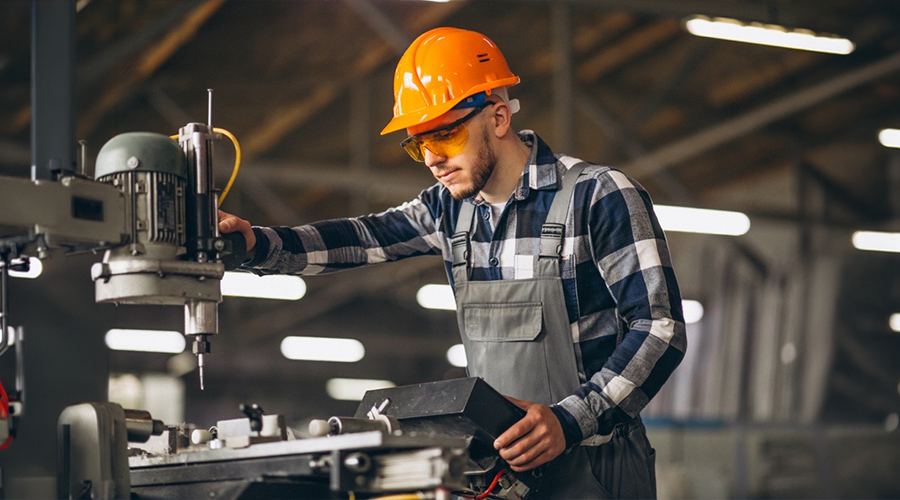
Maintenance Engineering in Manufacturing: Benefits, Challenges, Best Practices & Future Trends
Manufacturing operations today are under constant pressure to increase productivity, improve quality, reduce costs, and meet customer demands. While automation, robotics, and Industry 4.0 technologies continue to transform factories, one function remains fundamental to operational success: maintenance engineering.
Modern maintenance engineering manufacturing strategies go far beyond repairing equipment after a breakdown. They focus on preventing failures, optimizing asset performance, improving safety, and ensuring uninterrupted production. As manufacturers increasingly adopt digital technologies, maintenance teams play a critical role in supporting operational excellence.
From automotive plants in Pune and Chennai to pharmaceutical facilities in Hyderabad and Ahmedabad, electronics manufacturers in Noida and Bengaluru, and industrial hubs such as Vadodara, Coimbatore, Rajkot, Hosur, and Indore, organizations are investing in advanced maintenance capabilities to remain competitive.
This guide explores the growing importance of maintenance engineering, key benefits, common challenges, industry trends, and best practices that can help manufacturers improve performance and build future-ready operations.
What Is Maintenance Engineering?
Maintenance engineering is the discipline focused on ensuring machinery, equipment, and industrial assets operate safely, efficiently, and reliably throughout their lifecycle.
The primary objective is to minimize equipment failures, maximize uptime, and support continuous production. Modern maintenance engineers are responsible for preventive maintenance planning, predictive maintenance implementation, equipment inspections, root cause analysis, asset reliability, and performance optimization.
As digital manufacturing environments become increasingly complex, maintenance engineers now combine traditional engineering expertise with data analytics, automation systems, and condition-monitoring technologies to improve operational outcomes.
In today's manufacturing industries, maintenance engineering is a strategic business function that directly impacts productivity, profitability, safety, and customer satisfaction.
Why Maintenance Engineering Matters in Manufacturing
Equipment downtime remains one of the biggest productivity challenges manufacturers face. Even a single machine failure can disrupt entire production lines, delay deliveries, increase operating costs, and affect customer relationships.
This is why maintenance engineering manufacturing has become a competitive advantage rather than simply a support function.
An effective maintenance strategy helps manufacturers:
- Reduce downtime
- Improve machine reliability
- Increase production output
- Extend equipment lifespan
- Enhance workplace safety
- Reduce maintenance costs
- Improve product quality
For example, in automotive manufacturing facilities, production depends on the smooth coordination of highly automated systems. In pharmaceutical manufacturing, equipment reliability supports production consistency and compliance requirements. In electronics manufacturing, precision equipment must operate without interruption to maintain quality standards.
Across all sectors, maintenance engineering plays a vital role in ensuring operational continuity and business performance.
The Top Maintenance Engineering Benefits
Organizations investing in strong maintenance programs often experience significant maintenance engineering benefits across their operations.
Reduced Downtime
Unplanned downtime can be costly and disruptive. Structured maintenance activities help identify potential issues before they result in equipment failure.
Improved Productivity
Reliable equipment enables manufacturers to maintain production schedules and maximize resource utilization.
Longer Equipment Life
Regular inspections, servicing, and component replacement help extend the lifespan of valuable production assets.
Better Product Quality
Well-maintained machinery performs consistently, reducing defects and improving quality control.
Enhanced Workplace Safety
Maintenance programs help identify equipment issues before they create safety risks for operators and employees.
Lower Operating Costs
Preventing major failures is generally more cost-effective than emergency repairs and prolonged production shutdowns.
These maintenance engineering benefits not only improve operational efficiency but also contribute to long-term business sustainability.
How Does Maintenance Engineering Improve Manufacturing Productivity?
One of the primary reasons manufacturers invest in maintenance programs is because of their direct impact on productivity.
Effective maintenance engineering improves manufacturing performance by ensuring equipment remains available and operates at peak efficiency.
Benefits include:
- Increased uptime
- Reduced breakdown frequency
- Improved equipment performance
- Faster issue resolution
- Better production planning
- Higher throughput
- Lower defect rates
When machinery performs consistently, manufacturers can optimize production schedules and improve overall plant efficiency.
This explains why leading manufacturing industries increasingly view maintenance as a strategic investment rather than an operational expense.
Preventive vs Predictive Maintenance
Understanding maintenance approaches is essential to building an effective maintenance strategy.
Preventive Maintenance
Preventive maintenance involves performing inspections, servicing, and repairs according to a predefined schedule.
Examples include:
- Lubrication
- Calibration
- Equipment inspections
- Component replacements
The goal is to reduce the likelihood of equipment failure before problems occur.
Predictive Maintenance
Predictive maintenance uses data and monitoring technologies to assess equipment condition in real time.
Common tools include:
- Vibration analysis
- Thermal imaging
- IoT sensors
- Condition monitoring systems
Rather than following fixed schedules, maintenance activities are performed when data indicates a potential issue.
Most successful manufacturers combine both strategies to maximize reliability while optimizing maintenance resources.
Common Maintenance Engineering Challenges
Despite its value, organizations continue to face several maintenance engineering challenges.
Skilled Talent Shortages
Manufacturers across India often struggle to find experienced maintenance professionals with expertise in automation, electrical systems, reliability engineering, and predictive maintenance.
Aging Equipment
Many facilities operate older machinery that requires specialized maintenance knowledge and frequent interventions.
Technology Integration
Implementing Industry 4.0 technologies and predictive maintenance systems can be complex, particularly when integrating with legacy equipment.
Cost Pressures
Manufacturers must balance maintenance investments with other business priorities while maintaining operational performance.
Spare Parts Management
Poor inventory planning can result in longer repair times and increased downtime.
Addressing these maintenance engineering challenges requires a combination of workforce development, technology adoption, and process improvement initiatives.
Maintenance Engineering Best Practices
Manufacturers seeking operational excellence should adopt proven maintenance engineering best practices that align maintenance activities with broader business goals.
Establish a Preventive Maintenance Program
Develop structured maintenance schedules for critical equipment and monitor compliance regularly.
Use Predictive Maintenance Technologies
Leverage sensors, analytics, and condition-monitoring tools to identify issues before failures occur.
Track Key Performance Indicators
Measure maintenance performance using metrics such as:
- Overall Equipment Effectiveness (OEE)
- Mean Time Between Failures (MTBF)
- Mean Time to Repair (MTTR)
- Downtime percentage
Implement Root Cause Analysis
Instead of repeatedly fixing symptoms, identify and address the underlying causes of equipment failures.
Adopt CMMS Solutions
A Computerized Maintenance Management System (CMMS) helps manage work orders, maintenance schedules, asset records, and performance reporting.
Invest in Workforce Development
Continuous training ensures maintenance teams remain prepared for evolving technologies and equipment requirements.
Organizations that consistently follow these maintenance engineering best practices are better positioned to improve reliability, productivity, and operational efficiency.
Emerging Trends Shaping Modern Maintenance Engineering
Maintenance engineering continues to evolve alongside advancements in manufacturing technology.
Key trends include:
Artificial Intelligence
AI-powered solutions help maintenance teams identify patterns, prioritize maintenance activities, and improve failure prediction.
Industrial IoT
Connected sensors provide real-time equipment data, enabling more informed maintenance decisions.
Smart Factories
Maintenance is increasingly integrated into broader digital transformation initiatives.
Digital Twins
Digital representations of physical assets help organizations simulate performance and optimize maintenance planning.
Sustainability and Energy Efficiency
Manufacturers are using maintenance strategies to improve asset efficiency and support sustainability goals.
As technology adoption accelerates, effective maintenance engineering will become even more important in driving operational performance.
Hiring Maintenance Engineers in India
The demand for skilled maintenance professionals continues to grow across Indian manufacturing sectors.
Major manufacturing hubs including Mumbai, Pune, Chennai, Bengaluru, Hyderabad, Noida, Ahmedabad, Vadodara, Coimbatore, Rajkot, Surat, Hosur, Nashik, and Indore are experiencing increasing demand for experienced maintenance talent.
Organizations commonly hire:
- Maintenance Engineers
- Reliability Engineers
- Automation Specialists
- Electrical Maintenance Engineers
- Mechanical Maintenance Engineers
- Plant Maintenance Managers
- Maintenance Technicians
Many engineering manufacturing industries are facing skills gaps as they adopt advanced automation and predictive maintenance technologies.
At ManpowerGroup India, we help organizations build high-performing engineering and maintenance teams through permanent recruitment, contract staffing, workforce solutions, project hiring, and talent consulting. Our expertise spans diverse industrial sectors and manufacturing locations across India, enabling companies to access skilled talent quickly and effectively.
For manufacturers focused on reliability, productivity, and operational excellence, access to qualified maintenance professionals can be a significant competitive advantage.
Conclusion
Maintenance engineering has become an essential pillar of modern manufacturing success. As organizations adopt automation, digital technologies, and data-driven maintenance strategies, the role of maintenance teams continues to expand.
From reducing downtime and improving productivity to enhancing safety and extending equipment life, the impact of maintenance engineering reaches every aspect of manufacturing performance.
Organizations that invest in the right technology, processes, and talent will be better positioned to improve reliability, achieve operational excellence, and remain competitive in an increasingly complex manufacturing landscape.
FAQs
What is maintenance engineering?
Maintenance engineering focuses on keeping equipment, machinery, and industrial assets operating safely, efficiently, and reliably.
How does maintenance engineering improve manufacturing productivity?
It improves productivity by reducing downtime, increasing equipment availability, improving reliability, and supporting continuous production.
What is the difference between preventive and predictive maintenance?
Preventive maintenance follows scheduled intervals, while predictive maintenance uses equipment condition data to determine maintenance needs.
What are the biggest challenges in maintenance engineering?
Common challenges include talent shortages, aging equipment, technology integration, budget constraints, and spare parts management.
How does preventive maintenance improve productivity?
Preventive maintenance reduces breakdowns, improves uptime, and helps maintain consistent production schedules.
What skills are required for a maintenance engineer?
Technical expertise, troubleshooting, reliability engineering knowledge, automation skills, analytical thinking, and communication skills are important.
How can manufacturers improve maintenance efficiency?
Manufacturers can improve efficiency through preventive maintenance programs, predictive technologies, CMMS adoption, workforce training, and KPI monitoring.
What are the four types of maintenance?
Reactive, preventive, predictive, and reliability-centered maintenance.
What is a CMMS?
A Computerized Maintenance Management System (CMMS) is software used to manage maintenance activities, work orders, assets, and schedules.
What is OEE in manufacturing?
Overall Equipment Effectiveness (OEE) measures equipment availability, performance, and quality to evaluate production efficiency.
Why are maintenance engineers in demand in India?
Growing manufacturing investments, automation adoption, and Industry 4.0 initiatives have increased demand for skilled maintenance engineers across industries.
Which industries require maintenance engineers?
Automotive, electronics, pharmaceuticals, FMCG, chemicals, industrial equipment, energy, logistics, and other major manufacturing industries rely on maintenance professionals.